
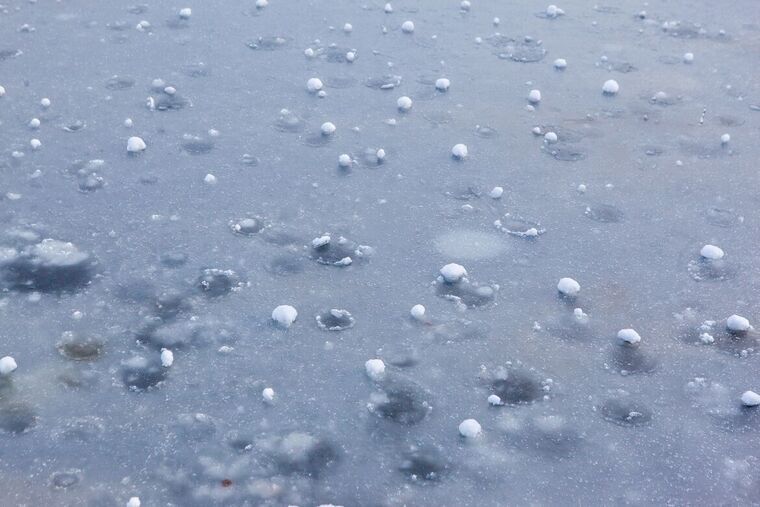
Severe thunderstorms are a common concern for Minnesota homeowners, particularly during months with extreme weather, when hail and strong winds can damage roofs, siding, gutters, and other exterior surfaces. While some hail damage is immediately noticeable, other damage may go undetected until leaks or additional roofing problems develop.
Understanding how to identify hail damage, what steps to take after a storm, and how homeowners insurance handles roof claims can help you better protect your home.
How to Identify Hail Damage on Your Roof
Hail can affect roofing materials in several ways, depending on the severity of the storm and the type and condition of your roof. Asphalt shingles may lose protective granules, develop cracks, or sustain damage that compromises their ability to protect your home from moisture.
Common signs of hail damage include:
- Dented gutters, downspouts, and roof vents
- Missing or damaged shingles
- Excessive shingle granules in gutters
- Cracked or dented siding
- Damage to skylights and other exterior fixtures
- Water stains on interior ceilings or walls
Not all hail damage is visible from the ground. If you suspect your roof has been damaged, consider scheduling an inspection with a qualified roofing professional rather than climbing onto the roof yourself.
What to Do After a Hailstorm
After a severe storm passes, inspect your property for visible signs of damage when it is safe to do so. Take photographs of affected areas and document the date of the storm. If you discover damage that could allow water to enter your home, take reasonable precautions to prevent further damage.
Contact your insurance agent to discuss your coverage, applicable deductibles, and the claims process. Avoid making permanent repairs before coordinating with your insurance company, and keep documentation of any necessary temporary repairs.
Does Homeowners Insurance Cover Hail Damage?
Some homeowners insurance policies may provide coverage for sudden and accidental damage caused by hail. However, coverage varies depending on the insurance carrier, policy terms, exclusions, and applicable roof settlement provisions.
Homeowners insurance generally does not cover normal wear and tear, deterioration, or damage resulting from neglected maintenance. Some policies may also include cosmetic damage exclusions that limit coverage for damage that affects the appearance of roofing materials without compromising their functionality.
Understanding Roof Replacement Cost and Actual Cash Value
Insurance companies use different methods to determine how covered roof damage is settled. Understanding these differences before experiencing a loss can help you avoid unexpected surprises during the claims process.
- Replacement Cost Coverage: Generally covers the repair or replacement of damaged roofing materials without deducting for depreciation, subject to policy terms and limitations.
- Actual Cash Value (ACV) Coverage: Accounts for depreciation when determining the value of damaged roofing materials.
- Roof Payment Schedules: Establish settlement provisions based on factors such as roof age and roofing material.
Your roof's settlement provisions may change when your homeowners insurance policy renews. Reviewing renewal documents and discussing any changes with your insurance agent can help you stay informed about your coverage.
Understanding Wind and Hail Deductibles
Some Minnesota homeowners insurance policies include separate deductibles for wind and hail damage. These deductibles may differ from the standard deductible that applies to other covered losses and may be structured as a fixed amount or a percentage of your insured dwelling value.
When reviewing your homeowners insurance, pay close attention to any separate storm deductibles and roof-specific endorsements. These provisions can significantly affect how a hail damage claim is handled.
Be Cautious When Hiring Roofing Contractors
Following severe storms, roofing contractors may visit affected neighborhoods offering inspections and repair services. While many contractors are reputable, homeowners should take time to verify credentials, licensing, insurance, and references before signing an agreement.
Be cautious of contractors who pressure you into immediate decisions or guarantee that your insurance company will approve a full roof replacement. A roofing contractor can assess damage and recommend repairs, but coverage determinations are made by your insurance company based on your policy and the circumstances of the loss.
How to Protect Your Roof from Future Storm Damage
Although hailstorms cannot be prevented, regular roof maintenance can help keep your home in good condition and identify potential problems before they become more serious.
Consider the following preventive measures:
- Schedule periodic professional roof inspections.
- Replace damaged or deteriorating shingles.
- Keep gutters and downspouts clear of debris.
- Trim overhanging tree branches.
- Address existing leaks and roofing problems promptly.
- Consider impact-resistant roofing materials when replacing your roof.
Keeping records of roof inspections, maintenance, and improvements can also provide useful documentation if you experience storm damage in the future.
Review Your Homeowners Insurance Before the Next Storm
Understanding your homeowners insurance before severe weather strikes is an important part of protecting your Minnesota home. Regular policy reviews can help you stay informed about roof coverage, wind and hail deductibles, settlement provisions, and potential coverage limitations.
At Active Insurance Solutions, we work with a broad network of insurance carriers to help Minnesota homeowners understand their coverage and explore available options. Contact us today to review your homeowners insurance and discuss protection for your home against hail and other severe weather risks.