
What Factors Impact Home Insurance Rates in Minnesota?
Home insurance rates in Minnesota can vary widely from one homeowner to another. Insurers look at a mix of property details, personal factors, and regional risks when determining your premium. Understanding these variables can help you...

Homeowner Insurance
For most Minnesota homeowners, their home is one of their largest financial investments. Protecting that investment requires more than simply purchasing homeowners insurance. It means understanding what your policy covers, how claims are paid, and where coverage gaps could leave you responsible for unexpected expenses.
Minnesota homeowners face unique risks throughout the year, including hailstorms, damaging winds, heavy snowfall, ice dams, frozen pipes, and water damage. At Active Insurance Solutions, we help homeowners find coverage that fits their property, budget, and individual needs. As an independent insurance agency with access to a broad network of insurance carriers, we can compare policies and explain important coverage differences.
What Does Homeowners Insurance Cover?
A standard homeowners insurance policy typically includes several important types of protection:
- Dwelling Coverage: Helps repair or rebuild your home following covered damage to its structure.
- Other Structures Coverage: Protects detached garages, sheds, fences, and other qualifying structures.
- Personal Property Coverage: Covers belongings such as furniture, appliances, electronics, and clothing.
- Personal Liability Coverage: Helps protect you financially if you are legally responsible for certain injuries or property damage.
- Additional Living Expenses: Helps cover qualifying temporary housing expenses if a covered loss makes your home uninhabitable.
Coverage limits, deductibles, exclusions, and claim settlement provisions can vary significantly between insurance companies, making it important to understand what you are purchasing.
Request a Minnesota Homeowners Insurance Quote
Homeowners insurance isn't one-size-fits-all. Policies with similar premiums may offer very different protection, especially when it comes to roof replacement, storm deductibles, water backup, and winter-related losses.
At Active Insurance Solutions, we work with a broad network of insurance carriers to help Minnesota homeowners compare their options. Whether you're purchasing your first home, reviewing existing coverage, or dealing with a non-renewal, we can help you find a policy that fits your needs.
Reach out today for the peace of mind that comes with the right home insurance policy. Call Active Insurance Solutions at 952-479-5877, or request a quote online.
Hail Damage and Roof Insurance Claims
Severe thunderstorms and hail are significant concerns for Minnesota homeowners. Hail can damage shingles, siding, gutters, skylights, and other exterior surfaces, sometimes causing damage that isn't immediately visible from the ground.
Most homeowners insurance policies cover sudden, accidental hail damage, but claim payments depend on your policy's provisions, deductible, and roof condition. Insurance generally covers damage caused by covered events rather than normal aging, deterioration, or maintenance-related problems.
After a significant storm, document visible damage and consider having a qualified roofing professional inspect your property. Before filing a claim, review your deductible and discuss your coverage with your insurance agent.
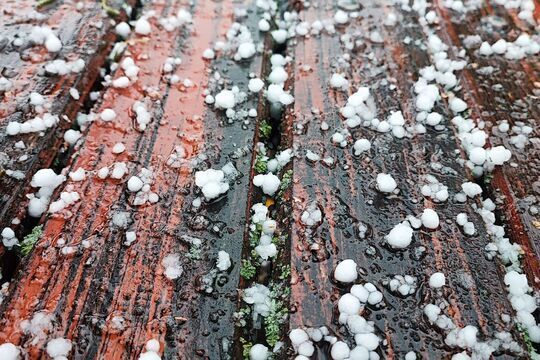
Actual Cash Value vs. Replacement Cost
An important distinction in homeowners insurance is how your insurance company calculates payment for roof damage.
- Replacement Cost Coverage: Generally pays the covered cost of repairing or replacing damaged roofing with materials of similar kind and quality, without deducting for depreciation. Depending on the policy, insurers may initially withhold recoverable depreciation until repairs are completed.
- Actual Cash Value (ACV) Coverage: Accounts for depreciation when determining claim payments. As a roof ages, its depreciated value may decrease, potentially leaving homeowners responsible for a larger portion of replacement expenses.
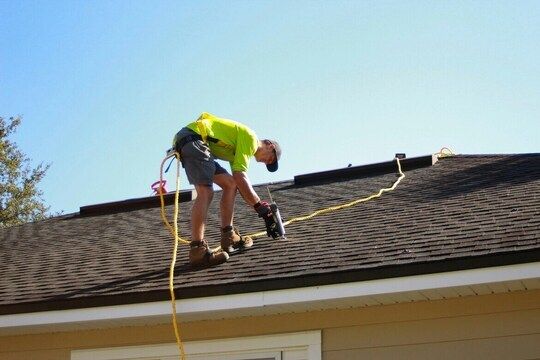
Understanding Wind and Hail Deductibles
Some Minnesota homeowners insurance policies have separate wind and hail deductibles, which may be calculated as a percentage of your home's insured dwelling value rather than a fixed dollar amount.
Percentage-based deductibles can result in significantly higher out-of-pocket expenses following a severe storm. The amount you are responsible for may also differ depending on whether the damage resulted from wind, hail, fire, or another covered event.
A lower insurance premium may not provide better overall value if the policy includes significantly higher storm deductibles or more restrictive roof coverage.
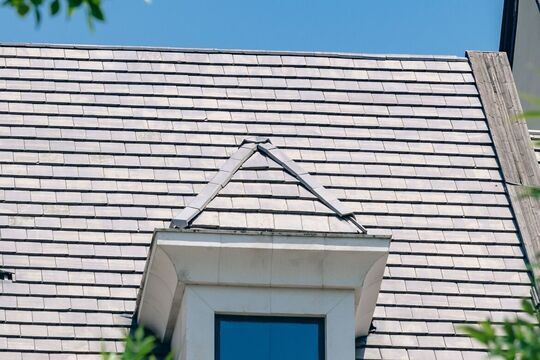
Ice Dams and Winter Roof Damage
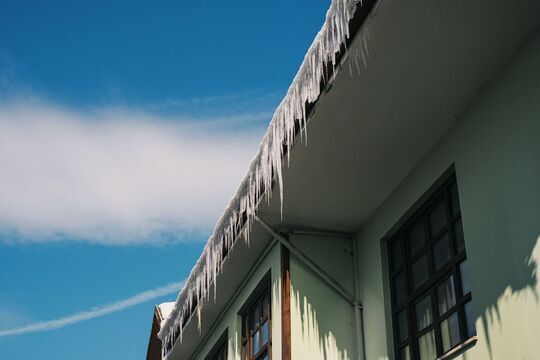
Minnesota's freezing temperatures and heavy snowfall can create conditions for ice dams. These form when melting snow refreezes near roof edges, preventing proper drainage and potentially allowing water to enter the home.
Homeowners insurance may cover certain sudden and accidental interior damage resulting from ice dams, but coverage varies by policy. The cost of removing ice dams or correcting underlying insulation and ventilation problems may not be covered.
Proper attic insulation, ventilation, and roof maintenance can help reduce the risk of ice dams and related water damage. Learn more about how to prevent ice dams on your roof.
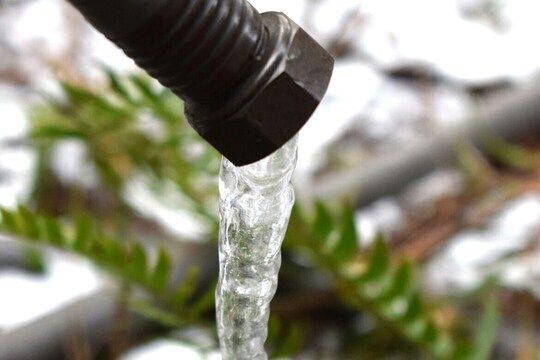
Frozen Pipes and Winter Water Damage
Frozen pipes are another common concern during Minnesota winters. When water inside plumbing freezes and expands, pipes can burst and cause significant damage to walls, flooring, cabinets, and personal belongings.
Many homeowners insurance policies cover sudden and accidental water damage from burst pipes. However, coverage may depend on whether reasonable precautions were taken to maintain heat and protect plumbing, particularly when a property is vacant or unoccupied.
Maintaining adequate indoor temperatures, insulating exposed pipes, disconnecting outdoor hoses, and properly winterizing your home can help prevent costly losses. Learn how to protect your home from frozen pipes.
Water and Sewer Backup Coverage
Water damage is not always covered under standard homeowners insurance. Damage caused by water or sewage backing up through drains, sewer lines, or sump pumps is frequently excluded unless additional coverage has been purchased.
A water and sewer backup endorsement may help cover qualifying cleanup expenses, repairs to damaged flooring and walls, and replacement of affected personal belongings. Coverage limits, deductibles, and exclusions vary by insurance company.
This protection is particularly important for Minnesota homeowners with finished basements or sump pumps. Water backup coverage is also different from flood insurance, which generally requires a separate policy.
Home insurance rates can be impacted based on your home’s age, size, construction type, and condition, along with location risks like weather and claims history. Your deductible, coverage limits, and credit-based insurance score may also influence pricing.
A standard policy covers the home structure, personal belongings, liability, and additional living expenses after a covered loss. Common exclusions include floods, earthquakes, normal wear and tear, and certain high-value items beyond set limits.
Replacement cost is calculated using the estimated cost to rebuild your home with similar materials and labor at current prices. It generally does not factor in land value or market price.
Standard policies include limited coverage for high-value items. If you own jewelry, art, or collectibles, you may need scheduled coverage to insure them at their full appraised value.
A deductible is the amount you pay out of pocket before insurance applies to a covered claim. Higher deductibles usually lower your premium, while lower deductibles increase it.
Before filing a claim, consider the extent of the damage, your deductible, and the estimated repair costs. If repairs cost less than or close to your deductible, filing a claim may not be worthwhile. An insurance agent at Active Insurance Solutions can help you understand your coverage and deductible before you decide how to proceed.
After a severe storm, check your property for visible damage and document any affected areas with photographs. Take reasonable steps to prevent further damage when it is safe to do so, and contact your insurance agent to discuss your coverage and the appropriate next steps. Keep records of any temporary repairs or related expenses.
It depends on the extent of the covered damage and your policy's provisions. Some claims may qualify for a full roof replacement, while others may cover only damaged sections. Factors such as roofing materials, repair feasibility, and applicable policy limitations can influence the determination.
Yes, although your options may be more limited. Insurance companies consider roof age, condition, material, and maintenance history when evaluating a property. Some carriers may offer coverage with higher deductibles, actual cash value settlement provisions, or special roof payment schedules rather than full replacement cost coverage. Contact us for a full insurance review.
Reviewing your homeowners insurance annually is a good practice, particularly before your policy renews. You should also review coverage after major renovations, significant purchases, or changes in your property's value. Regular reviews help ensure your dwelling limits, deductibles, and optional coverages continue to meet your needs.