
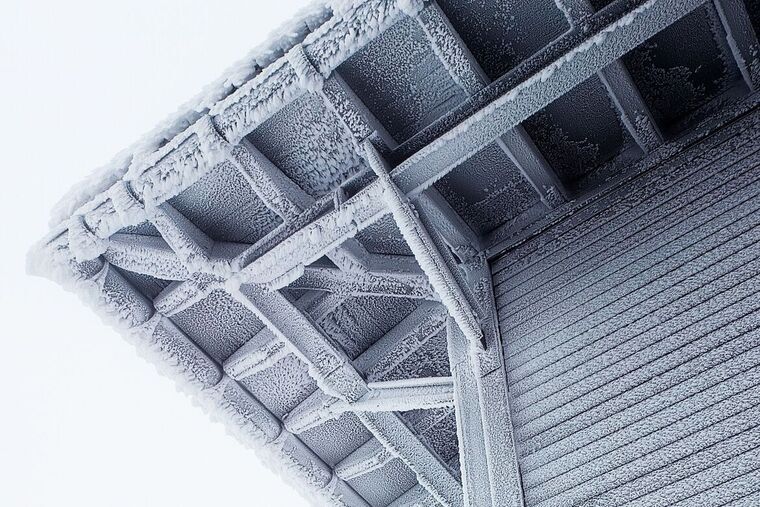
Winter weather can create challenging conditions for Minnesota homeowners, especially when heavy snowfall and freezing temperatures affect your roof. One common concern is the formation of ice dams, which can prevent melting snow from draining properly and potentially cause water damage inside your home.
Understanding how ice dams form and taking preventive steps can help protect your roof, insulation, ceilings, and walls throughout the winter months.
What Causes Ice Dams to Form?
Ice dams develop when heat escaping from your home warms portions of the roof, causing accumulated snow to melt. As the water flows toward the colder edges of the roof, it can refreeze and create a buildup of ice along the eaves.
Over time, this ice can prevent additional melting snow from draining properly. Water may collect behind the ice dam and work its way beneath roofing materials, potentially entering the attic or interior living spaces.
Improve Attic Insulation and Ventilation
Proper attic insulation and ventilation are among the most effective ways to reduce the risk of ice dams. Insulation helps limit heat transfer from your living spaces into the attic, while appropriate ventilation helps maintain more consistent roof temperatures.
Sealing air leaks around attic access points, recessed lighting, and plumbing penetrations can also reduce unwanted heat loss. A qualified insulation or roofing professional can help identify areas that may need improvement.
Keep Gutters and Roof Drainage Areas Clear
Leaves, debris, and other obstructions can interfere with proper drainage, particularly when snow begins to melt. Cleaning gutters and downspouts before winter helps ensure water has a clear path away from your home.
Although clean gutters alone cannot prevent ice dams, maintaining your drainage system is an important part of protecting your roof and foundation from water-related problems.
Remove Excess Snow Safely
Heavy snow accumulation can contribute to ice dam formation, especially during periods of fluctuating temperatures. Removing excess snow near roof edges with a properly designed roof rake may help reduce the amount of melting water that reaches colder areas.
Always work from the ground when possible and avoid climbing onto icy or snow-covered roofs. If significant snow or ice accumulation requires removal, consider hiring a qualified professional to avoid injuries or damage to roofing materials.
Recognize the Warning Signs of Ice Dams
Ice dams are not always immediately noticeable, but certain warning signs may indicate a developing problem. These include thick ridges of ice along roof edges, water stains on ceilings or exterior walls, damp attic insulation, and moisture appearing near windows or upper-level walls.
If you notice these conditions, address the issue promptly. Avoid attempting to chip away large ice formations, as doing so can damage shingles, gutters, and other roofing components.
Protect Your Home Throughout the Winter
Preventing ice dams starts with proper insulation, ventilation, drainage, and regular roof maintenance. Taking these precautions before severe winter weather arrives can help reduce the likelihood of costly water damage and protect your home throughout the season.
Reviewing your homeowners insurance coverage can help you better understand how winter-related roof damage is handled and whether your policy includes any relevant limitations.
If you have questions about your homeowners insurance coverage, contact us today to discuss your policy and available protection options.